Home Maintaining Your Partial and Full Dentures: A Comprehensive Guide
Dentures are crucial for those with missing teeth, offering aesthetic and functional benefits. This comprehensive guide encompasses everything you need to know about maintaining your partial and complete dentures, ensuring durability, functionality, and comfort. From daily care routines to understanding the differences between partial and complete dentures, this guide is your go-to resource for denture maintenance.
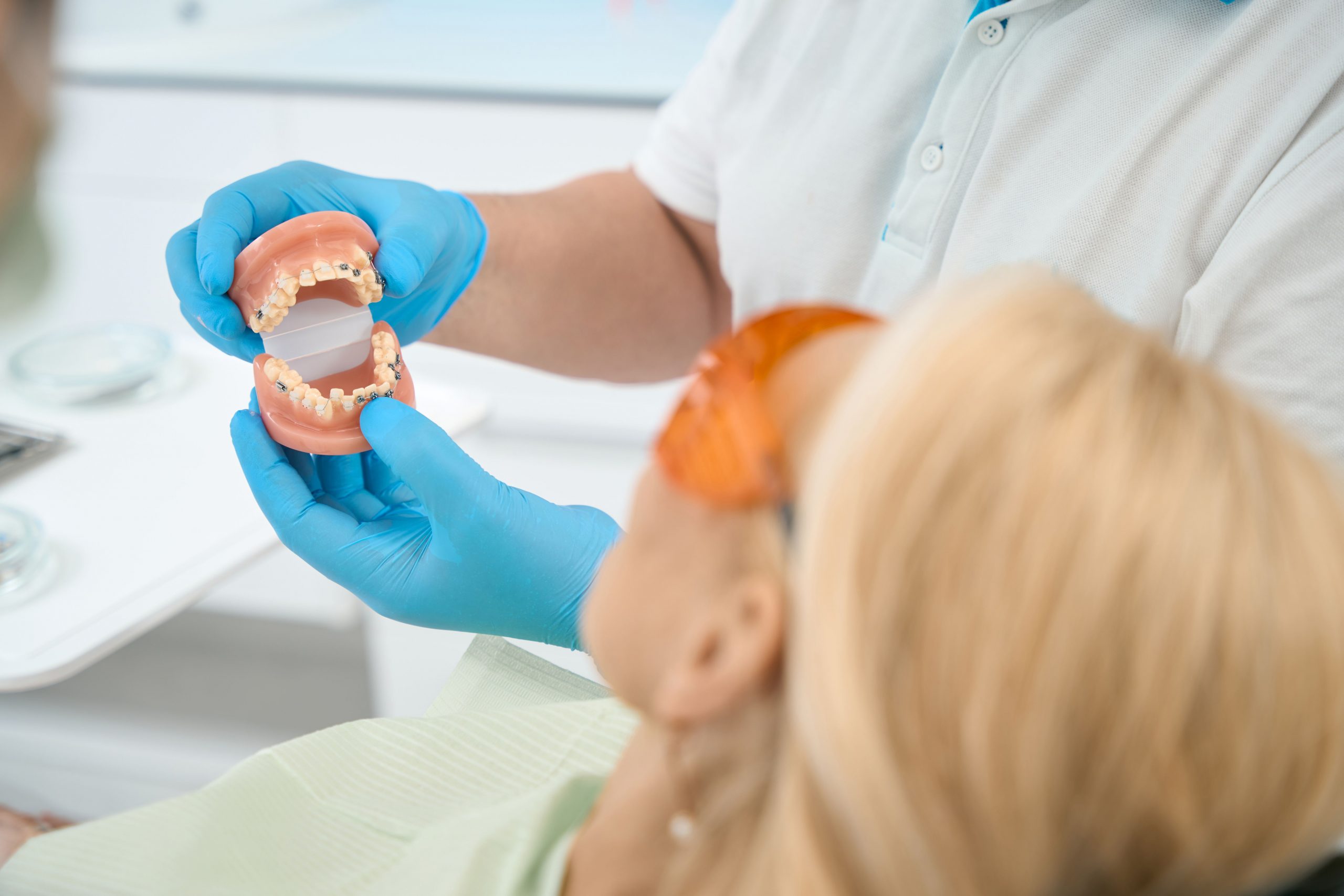
Dentures are removable prosthetic devices that replace missing teeth and restore function and appearance. There are two main types: partial and full dentures. Partial dentures are used when only a few teeth are missing, while full dentures are necessary when all teeth in one or both jaws are lost.
Partial dentures are typically made from metal and acrylic and designed to fit around your remaining natural teeth. On the other hand, complete dentures are made entirely of acrylic and rely on suction and the natural anatomy of your mouth for stability.
Dentures help maintain the natural contours of your face, preventing the sunken appearance that often accompanies tooth loss. This support gives you a more youthful look.
For those who still have some natural teeth, partial dentures can help distribute chewing forces evenly, reducing the strain on the remaining teeth and helping to prevent further tooth loss.
Unlike dental implants requiring surgery, dentures offer a non-invasive solution to tooth replacement. This makes them a viable option for individuals who may not be suitable candidates for surgical procedures due to health concerns.
Dentures can be tailored to match the color, shape, and size of your natural teeth, allowing for a seamless and aesthetically pleasing smile that feels more like your own.
Your dentist can easily adjust your dentures over time to accommodate changes in your mouth’s structure, ensuring continued comfort and effectiveness.
Regular maintenance of dentures is typically straightforward and affordable, involving cleaning and periodic adjustments, making them a cost-effective long-term solution for tooth replacement.
Dentures can be fabricated and fitted relatively quickly compared to other dental restoration options, providing a faster solution for those looking to restore their smile and oral function.
Dentures date back thousands of years! The Etruscans made the earliest recorded dentures in 700 BC, using human or animal teeth. Thankfully, denture technology has come a long way since then.
Maintaining your dentures in Frisco with the help of the best dentist in Frisco, TX, is essential for longevity and oral health. Poor denture care can lead to many issues, including gum irritation, infections, and even bone loss in the jaw. Additionally, well-maintained dentures can significantly improve your quality of life by allowing you to eat, speak, and smile confidently.
A consistent daily care routine is vital to keep your dentures in top condition. Here’s a step-by-step guide to maintaining your dentures:
These statistics underscore the importance of proper denture care to ensure denture wearers’ best quality of life.
Even with the best care, dentures can present challenges. Here’s how to address some of the most common issues:
Even if you wear complete dentures, regular dental visits are crucial. Your dentist will check the fit of your dentures, examine your gums and oral tissues, and look for signs of potential issues such as infections or bone loss. Dentures typically must be replaced every 5-7 years, but they can last longer with proper care and regular adjustments.
If you’re struggling with denture maintenance or considering getting dentures, contact the best dentist in Frisco, TX. Our experienced dentists can provide personalized care and guidance to ensure your dentures fit perfectly and remain in top condition. Call us today to schedule your consultation and take the first step towards a healthier, more confident smile!
Stay Informed:
Educate yourself about the practices of the best dentist in Frisco, TX for denture care to avoid common pitfalls and prolong the life of your dentures.