Your smile is a valuable social asset, and caring for your cavity has to be among your top priorities.
Wonder why?
Preserving your cavity with proper oral hygiene and effective dental strategies is essential, as different dental issues can affect your smile and kill your confidence.

Not only that, they may restrict your oral functions and give rise to many other health problems. Preventive dentistry can also help you preserve your teeth and maintain oral health.
How? Let’s find out as we learn more about the perks of preventive dentistry in the following sections.
Continue reading as we learn about preventive dentistry and how it can preserve your beautiful smile in the following sections.
Various factors can impact the appearance of our smile, often stemming from oral health issues. Oral problems like cavities or gum disease can lead to teeth staining, gaps, or even tooth loss, affecting the appearance of your smile and diminishing your confidence.
Stats suggest that almost 90% of American adults have cavities, and 25% of them have untreated dental issues. Neglecting dental care may result in good breath and misalignment, contributing to an attractive smile and facial harmony.
Preventive dentistry emphasizes regular check-ups and cleanings to catch issues early, preventing them from worsening and safeguarding the health and appearance of your smile. With sound dental prevention practices and treatment options like sealants and fluoride applications, preventive dentistry plays a vital role in maintaining dental wellness and ensuring a radiant smile for the long term.
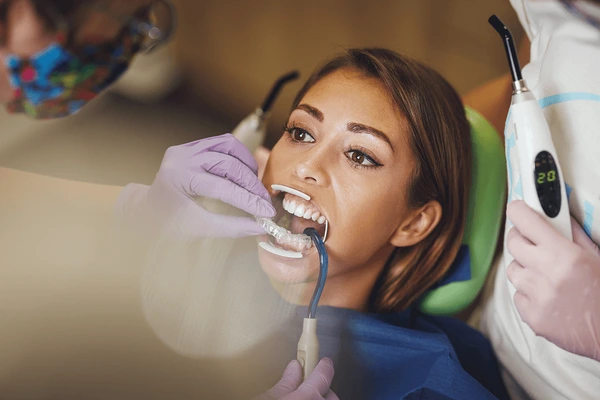
Preventive dentistry focuses on maintaining optimal health and preventing dental issues before they escalate. Professionals like dentists in Frisco, TX, employ various procedures to achieve these goals, aiming for early detection and intervention. Here’s a brief overview of standard preventive dentistry procedures:
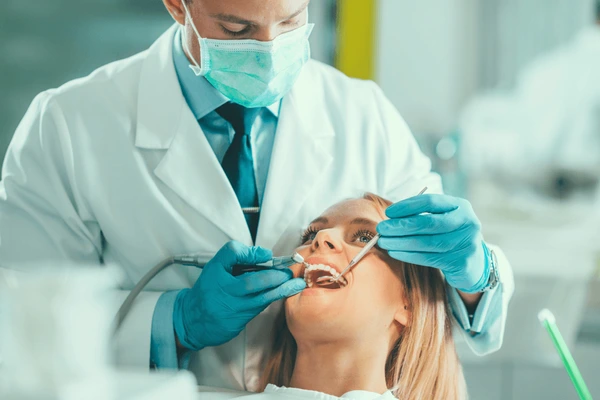
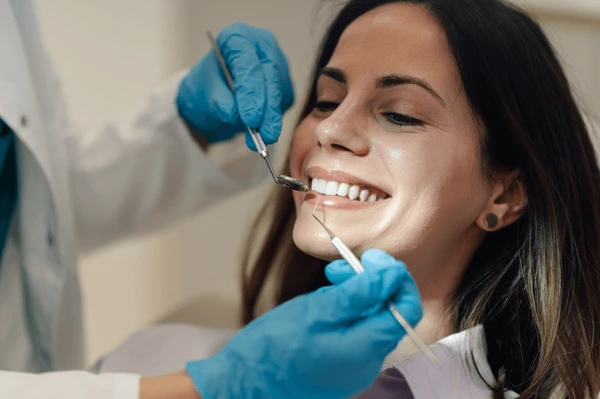
Routine dental check-ups are crucial for spotting early signs of dental problems like cavities, gum disease, and oral cancer. Dentists thoroughly examine the teeth, gums, and surrounding tissues to catch any issues early.
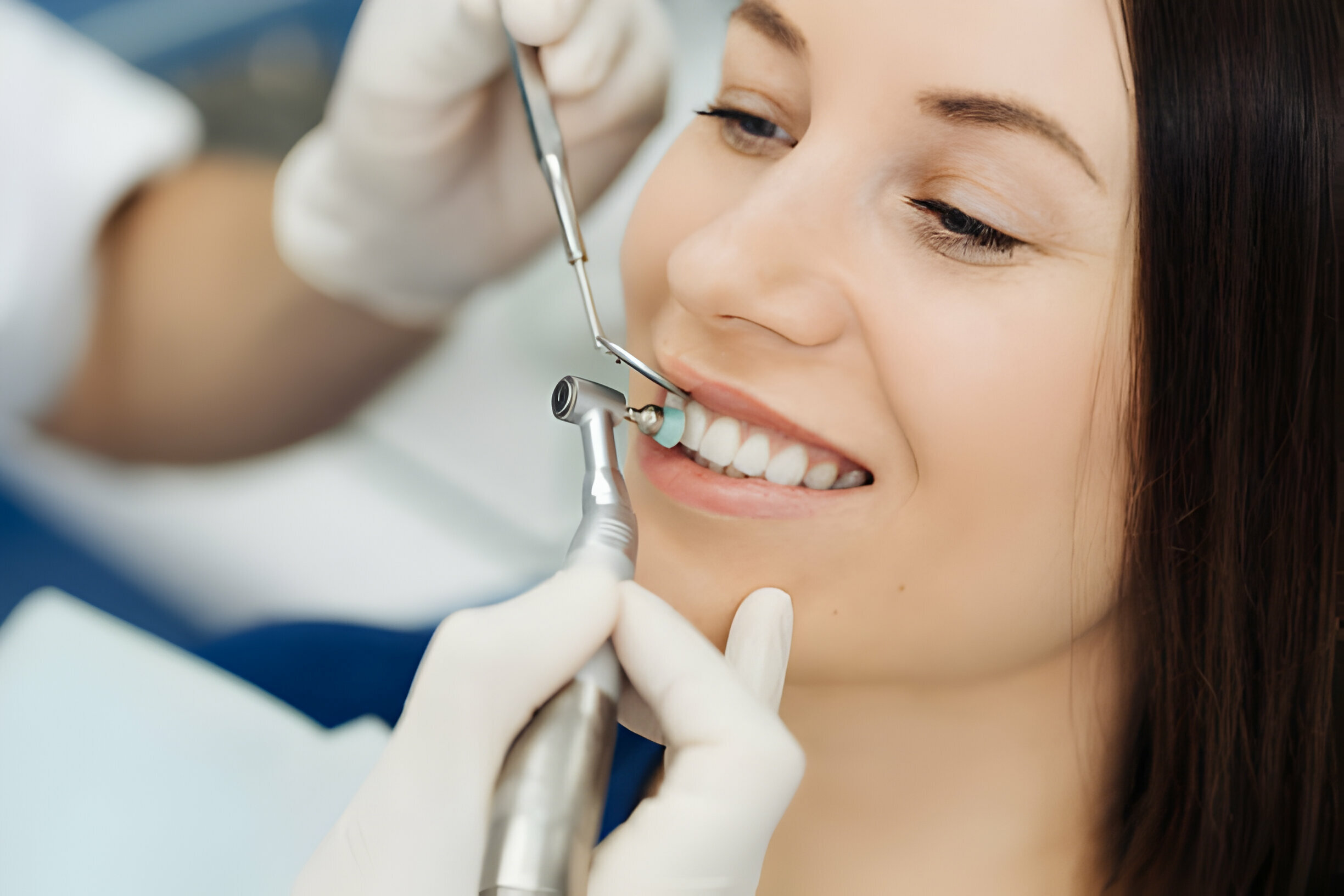
Dental prevention, such as hygienists’ cleanings, removes plaque and tartar buildup that regular brushing and flossing might miss. This preventive measure helps prevent cavities, gum disease, and bad breath.
X-rays are valuable diagnostic tools for detecting hidden dental issues such as cavities between teeth, impacted wisdom teeth, and bone loss. They provide dentists with a comprehensive understanding of a patient’s health, aiding in treatment planning.
Sealants by preventive dental are thin coatings applied to the chewing surfaces of molars and premolars to prevent cavities. They create a barrier that blocks food particles and bacteria, reducing the risk of decay in these vulnerable areas.
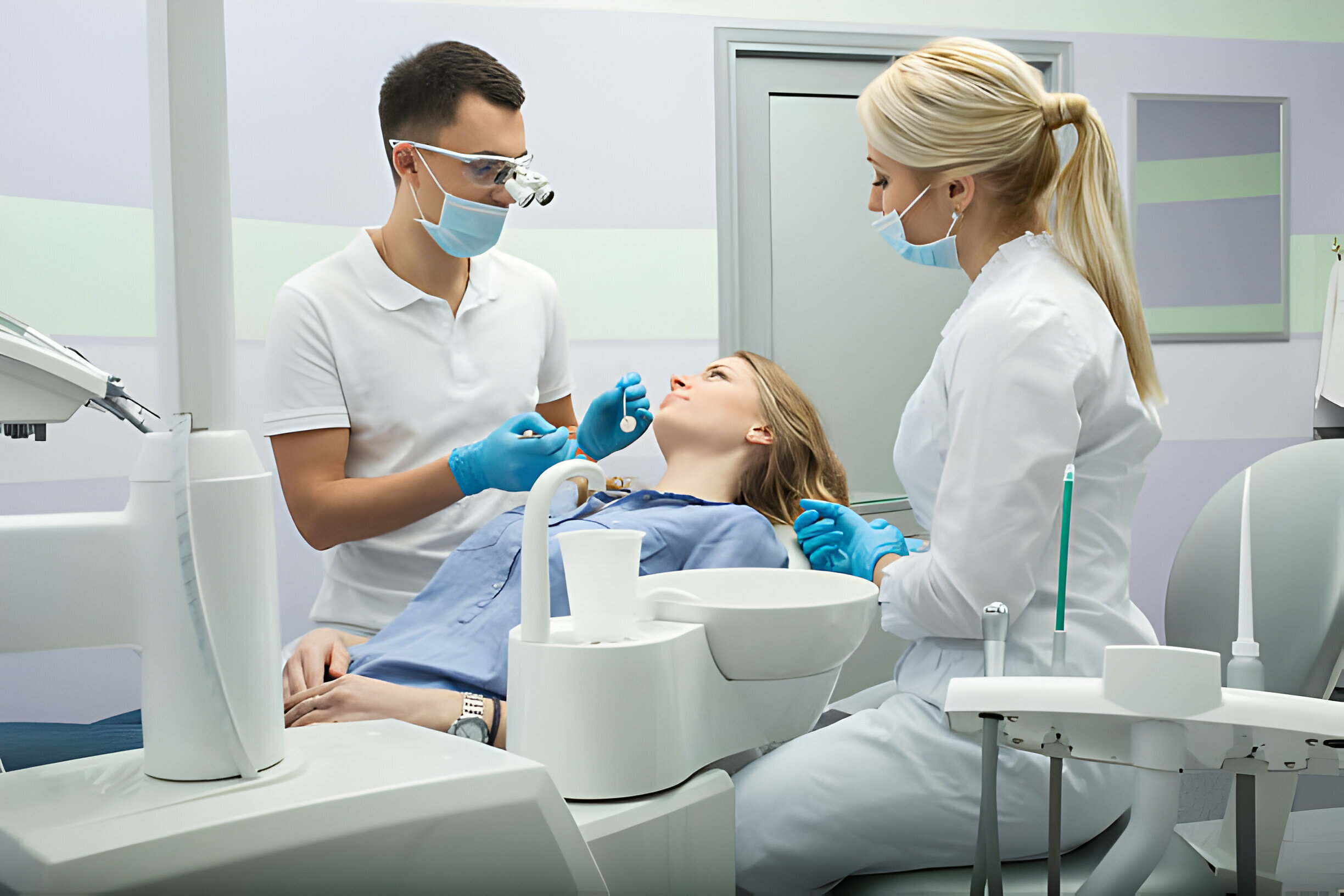
Fluoride strengthens tooth enamel, making it more decay-resistant. Fluoride treatments involve applying fluoride varnish or gel to the teeth, providing an extra layer of protection against cavities.
Dentists and hygienists educate patients about proper oral hygiene practices, including brushing techniques, flossing, and a balanced diet. Empowering patients with knowledge helps them take better care of their health at home.
Dentists create personalized preventive care plans based on patient’s unique needs and risk factors. These plans may include recommendations for lifestyle changes, dietary adjustments, and additional preventive measures to maintain optimal oral health.
Your oral health is essential, not just for the sake of your teeth and gums but also for your overall well-being. Here are some simple preventive dentistry tips to keep your smile bright and healthy:
One of the most important aspects of preventive Frisco, TX dentistry is maintaining a regular oral hygiene routine. Ensure you brush twice daily with fluoride toothpaste and floss at least once daily to remove plaque and food particles between your teeth.
Selecting the right toothbrush and dental floss can significantly affect your oral hygiene routine. Opt for a toothbrush with soft bristles to avoid damaging your enamel and gums, and consider using dental floss or interdental brushes to clean your teeth effectively.
Your diet plays a significant role in oral health. Limit your consumption of sugary and acidic foods and drinks, as these can contribute to tooth decay and enamel erosion. Instead, focus on eating a balanced diet rich in fruits, vegetables, lean proteins, and dairy products.
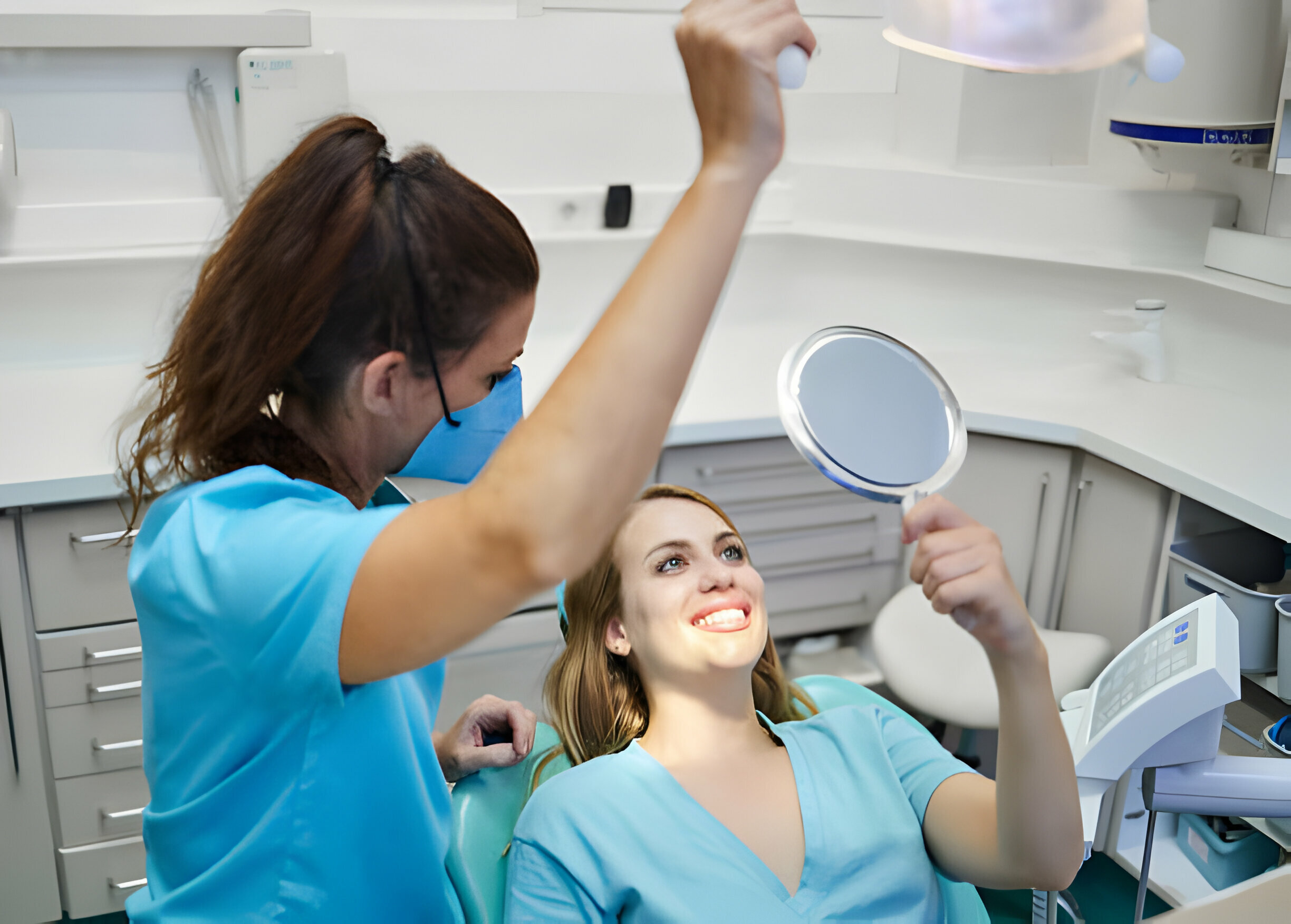
Regular dental check-ups are crucial for good oral health. Schedule appointments with your dentist at least twice a year for cleanings and exams. Your dentist can detect any issues early on and provide preventive techniques to help keep your smile healthy.
If you play sports or grind your teeth at night, consider wearing a mouthguard or nightguard to protect your teeth from injury and wear. Avoid using your teeth as tools to open packages or bite on complex objects, as this can lead to damage and fractures.
Smoking and tobacco use can have severe consequences for your oral health, including tooth discoloration, gum disease, and oral cancer. If you smoke or use tobacco products, consider quitting to improve your oral and overall health.
Take the time to educate yourself about oral health and hygiene practices. Stay updated on the latest recommendations and advancements in dentistry, and don’t hesitate to ask your dentist for advice or information.
Preventive dentistry is a proactive approach to maintaining health that offers numerous advantages: